EP. 8 · JUL 9, 2025 · Culture · Intercultural Communication · Remote Work · Team Building · Work Culture
08 | Culture Clash: What Remote Teams Get Wrong About Communication
How do you build strong remote teams when your colleagues come from completely different cultural backgrounds? In this episode of the Nomad Summit Podcast, we unpack the realities of cross-cultural communication in distributed teams – and why good intentions often go wrong.
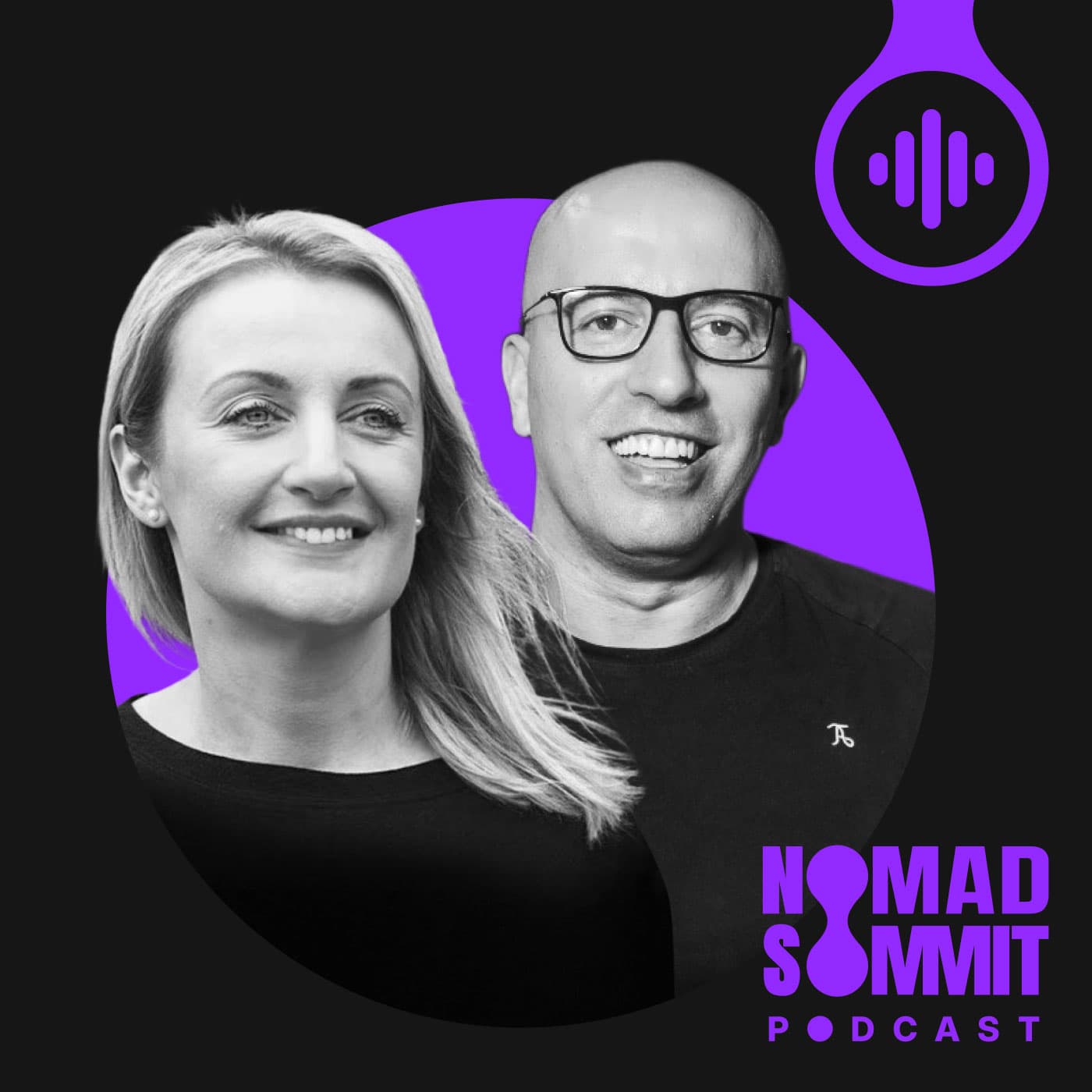
Renita Kasper & Miguel Piñas
A global talent acquisition leader and remote team builder from Estonia & COO and co-founder of Companio, who leads a remote-first team spanning 10+ countries.
08 | Culture Clash: What Remote Teams Get Wrong About Communication
Show Notes
How cultural differences silently shape remote team dynamics
In today’s global workforce, companies are more distributed than ever. But with that freedom comes friction – especially when team members from around the world approach communication in vastly different ways. In Episode 08 of the Nomad Summit Podcast, we explore what remote teams often get wrong about cross-cultural communication and how to fix it.
Our hosts Christoph Huebner and Palle Bo are joined by two seasoned experts in remote work:
Renita Käsper, a talent acquisition strategist with 20+ years of experience building global teams
Miguel Piñas Rodriguez, co-founder and COO of Companio, a company helping digital nomads set up and run businesses from anywhere
Together, they dive deep into real-world stories, lessons learned, and practical strategies to help remote teams thrive across borders.
When “You Gotta Pay” Becomes a Communication Crisis
Miguel shares a memorable story from Companio: a team member from Eastern Europe sent a blunt email to a U.S.-based client with the subject line, “YOU GOTTA PAY.” What might sound clear and harmless in one culture came across as aggressive and offensive in another. From then on, the team started referring to communication missteps as “You Gotta Pay situations.”
Why Remote Work Needs Cultural Intelligence
Both Renita and Miguel emphasize that remote teams need more than shared Slack channels – they need cultural systems. Many companies assume everyone shares the same expectations around communication, but that couldn’t be further from the truth. Some cultures prefer direct feedback. Others rely on nuance, context, and hierarchy. Without training, structure, or awareness, teams suffer from unspoken tension.
Renita points out that even positive feedback systems or performance reviews can be misinterpreted. A direct comment that’s meant to be helpful might devastate someone from a more indirect or hierarchical culture. The result? Demotivation, confusion, and sometimes even turnover.
Hiring Remote Talent? It’s Not Just About Skills
If you’re scaling a remote team, technical skills are only half the equation. You need to hire with cultural balance in mind. For example, if your team already leans heavily toward direct communicators, you might need someone from a different background to create a more well-rounded dynamic. But that also means preparing your team to integrate them effectively.
Both guests stress the importance of training interviewers to recognize their own cultural biases and avoid discounting candidates who simply have a different way of expressing themselves.
Standardizing Communication? Not So Fast
Miguel describes an early attempt to “standardize” communication within his team. The goal was to find a middle ground between direct and indirect styles. But the approach backfired. Instead of creating harmony, it ignored the nuances of individual cultures.
Today, his team approaches things differently. New hires receive onboarding that includes cultural education and key questions like: “How do you prefer to receive feedback?” and “What’s your comfort level with confrontation?” This small shift creates huge improvements in collaboration.
Tips for Job Seekers in Global Remote Teams
Renita offers practical advice for job seekers as well. Before applying to a remote company, research the cultural background of the team – especially your interviewer. If the company is headquartered in Germany or Estonia, be brief and to the point. If your interviewer is based in Brazil or the U.S., a bit more warmth and context might help you stand out.
Understanding the company’s dominant communication culture gives you a better chance of making a strong first impression.
Building Culture Into Systems, Not Just Conversations
Ultimately, it’s not enough to hope team members will “just figure it out.” Cultural intelligence needs to be built into the company’s DNA. That means designing feedback loops, performance reviews, and even hiring processes that take cultural styles into account.
Renita argues that many companies unintentionally build systems based solely on their headquarters’ culture, and then roll them out globally without adjustment. A better approach is co-creation: involve voices from across the team in designing systems that reflect shared values, not just dominant norms.
Sponsors Note: Global Nomad Pass
🎙️ This episode is sponsored by Global Nomad Pass – the membership that rewards you with exclusive discounts when you support local businesses around the world. Get up to 50% off at 500+ hand-picked local businesses across in 25+ cities.
🎁 Nomad Summit Podcast listeners get a 30-day free trial (no credit card required) + 25% off the annual plan. Unlock a free month of Global Nomad Pass.
Key Takeaways from This Episode
Cultural misunderstandings are common in remote teams – but avoidable with awareness and training.
Communication styles differ widely between cultures. Directness, tone, and feedback expectations are not universal.
Hiring for diversity means also preparing the team to integrate and support different working styles.
Cultural intelligence should be embedded in company systems – not left to chance or individual effort.
Tools like The Culture Map by Erin Meyer and team-wide onboarding can reduce friction and boost collaboration.
Candidates applying to remote companies should tailor their communication to match the company’s dominant style.
What’s Next?
We’ll continue exploring the challenges and opportunities of remote work in future episodes. If you’re leading a remote team, navigating cultural differences, or dreaming of your first nomadic job, make sure to subscribe.
And if this episode sparked something for you, share it with a colleague or leave a review on your favorite podcast platform. Let’s keep building better, more inclusive remote teams together.
Keep Listening

Aug 2026 · 30 min
67 | Want to Work From Anywhere? Here's What It Really Takes
with Maya Middlemiss, Christoph Huebner, Alexandra Mosnitska
In Episode 67 of the Nomad Summit Podcast, Maya Middlemiss joins Palle Bo, Christoph Huebner and Alexandra Mosnitska to look back at the first Nomad Summit…

EP. 32 · Dec 2025 · 30 min
32 | Juliana Rabbi: Christmas as a Digital Nomad – Freedom, Loneliness, and Everything in Between
with Juliana Rabbi
What is it really like to spend Christmas away from family when you live a nomadic life? In this episode of The Nomad Summit Podcast , we sit down with digital…
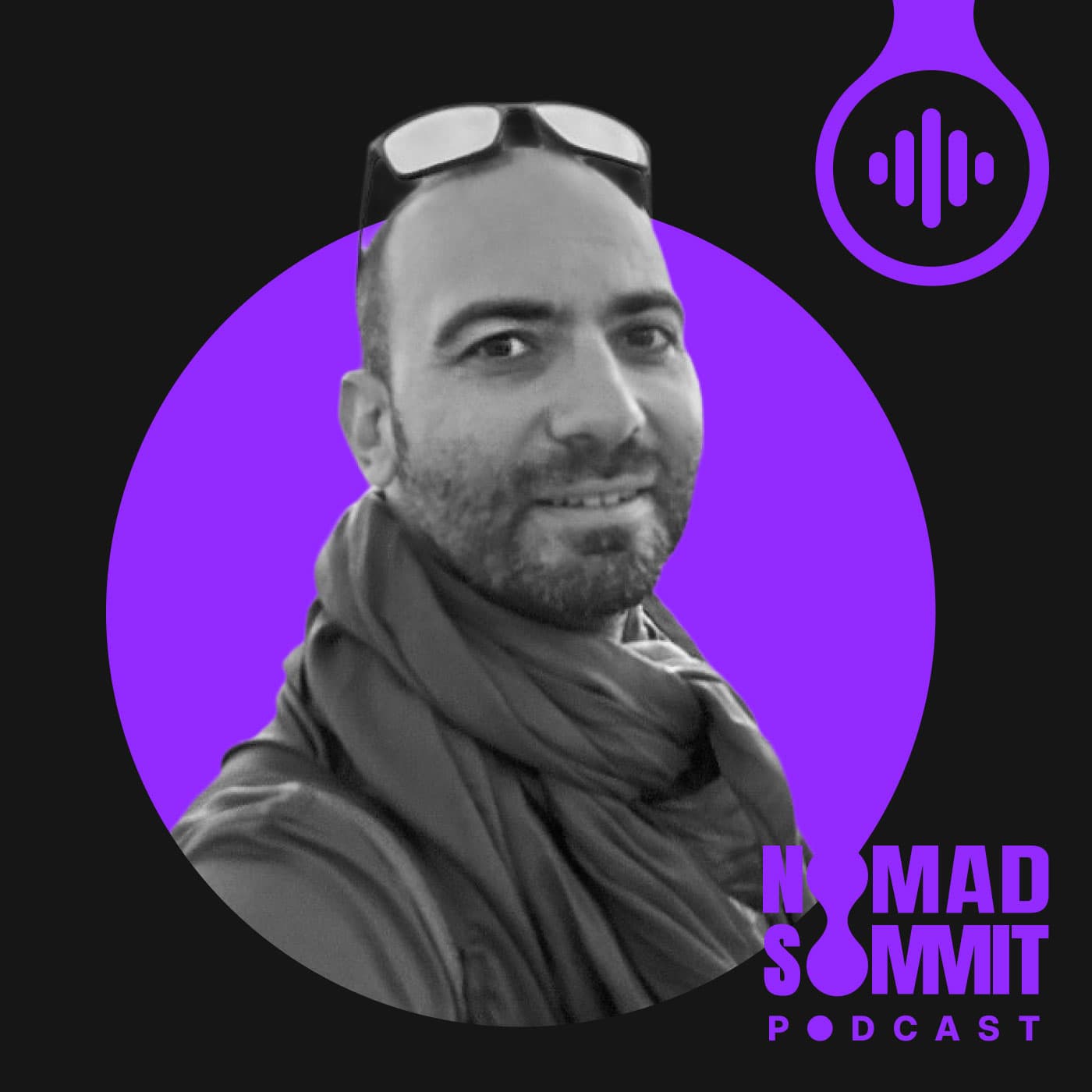
EP. 28 · Nov 2025 · 37 min
28 | Andrew Williams: Remote Tribe Life and the Realities of the Nomad World
with Andrew Williams
We invited creator and long-time nomad Andrew Williams to talk about Remote Tribe… and the conversation quickly expanded into a bigger, honest look at how…

EP. 3 · Jun 2025 · 38 min
03 | Europe's Remote Work Revolution with Maya Middlemiss
with Maya Middlemiss
In this episode, we talk with Maya Middlemiss – founder of Remote Work Europe and an e-Residency Envoy for Estonia – about her journey into remote work and how…
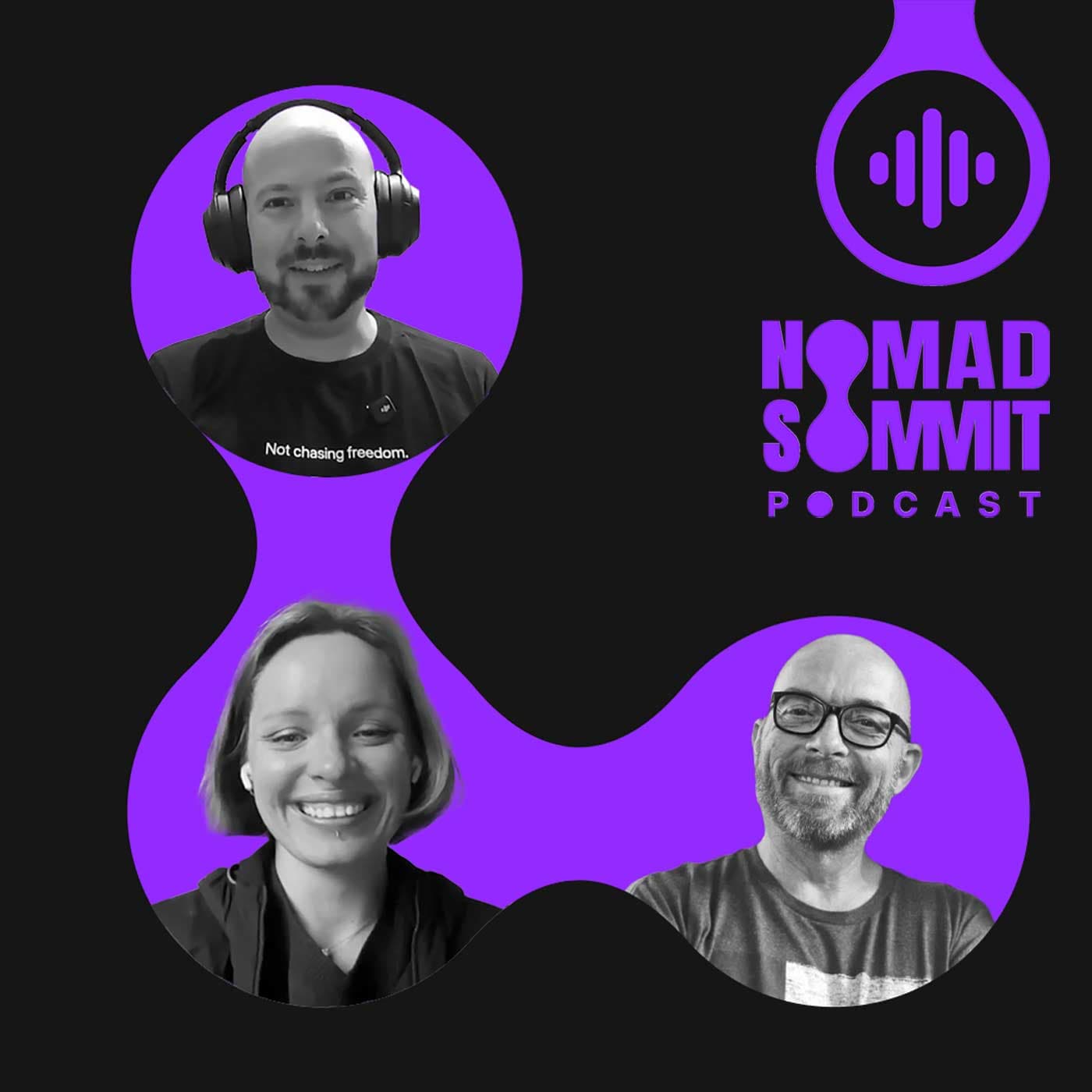
EP. 72 · Sep 2026 · 34 min
72 | Inside Nomad Summit: What's Coming to Chiang Mai 2027
with Christoph & Alexandra
What's changing in the digital nomad world – and what does that mean for Nomad Summit 2027? In this special episode, Palle turns the tables on his usual…

EP. 71 · Sep 2026 · 24 min
71 | From Homeless at 17 to Digital Nomad?
with Oliver Kuiz
Oliver Kuiz isn't joining us with a perfectly mapped-out digital nomad success story. He's right in the middle of trying to create one. After becoming homeless…

Never Miss an Episode
Get new episodes, event announcements, and nomad insights delivered straight to your inbox.